
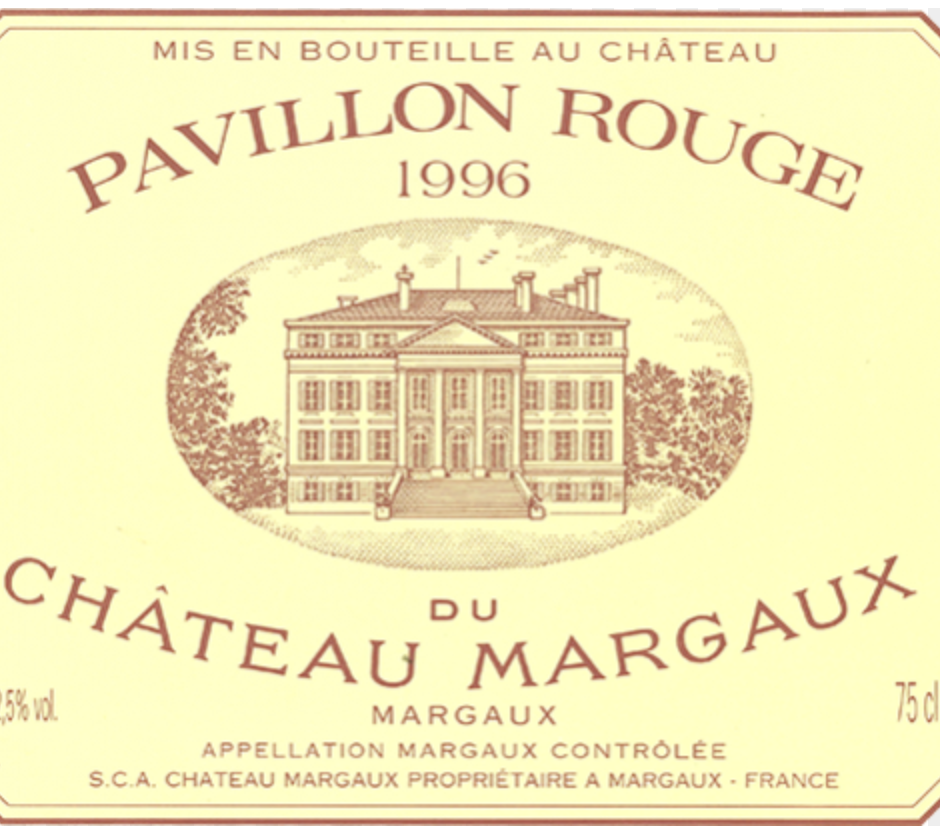
1996 Chateau Margaux Pavillon Rouge
The 1996 Pavillon Rouge du Château Margaux is widely considered one of the greatest early vintages of Château Margaux's second wine and, by the estate's own assessment, may be superior to the excellent 1995. In 1996, Château Margaux made an exceptionally strict selection for the Grand Vin, diverting a larger proportion of high-quality fruit into Pavillon Rouge than ever before.
- $299.99
- $145.00
1996 Chateau Margaux Pavillon Rouge
The 1996 Pavillon Rouge du Château Margaux is widely considered one of the greatest early vintages of Château Margaux's second wine and, by the estate's own assessment, may be superior to the excellent 1995. In 1996, Château Margaux made an exceptionally strict selection for the Grand Vin, diverting a larger proportion of high-quality fruit into Pavillon Rouge than ever before.
$299.99
- 750 ML
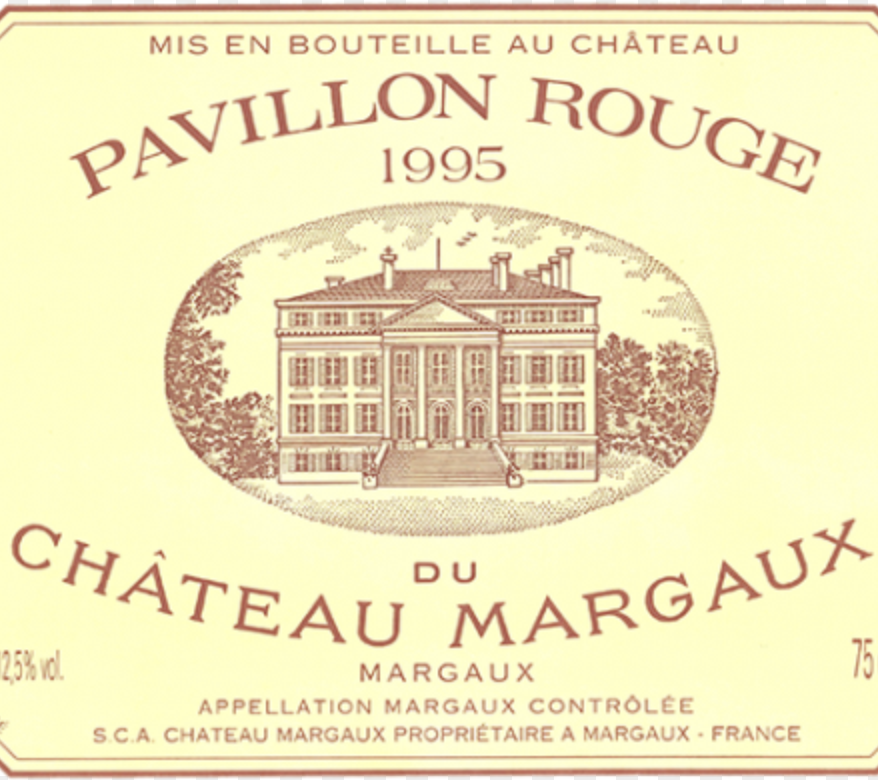
1995 Chateau Margaux Pavillon Rouge
The 1995 Pavillon Rouge du Château Margaux is one of the most successful early modern vintages of Château Margaux's legendary second wine. Produced during the outstanding 1995 Bordeaux vintage, it benefited from increasingly rigorous fruit selection at the estate, resulting in a wine that many critics felt approached first-growth quality in its youth. Château Margaux itself noted that the exceptional vintage quality was fully expressed in Pavillon Rouge, with concentration, elegance, and length rarely seen in a second wine. In the glass today, a well-stored bottle should show mature Bordeaux character: cassis, dried black cherry, cedar, cigar box, leather, forest floor, violets, and subtle truffle notes. The palate is typically silky and refined rather than powerful, with softened tannins and the unmistakable perfume that defines Margaux. Early reviews praised its deep color, velvety texture, blackberry fruit, spice, licorice, and floral finish, calling it unusually strong for Pavillon Rouge.
- $279.99
- $175.00
1995 Chateau Margaux Pavillon Rouge
The 1995 Pavillon Rouge du Château Margaux is one of the most successful early modern vintages of Château Margaux's legendary second wine. Produced during the outstanding 1995 Bordeaux vintage, it benefited from increasingly rigorous fruit selection at the estate, resulting in a wine that many critics felt approached first-growth quality in its youth. Château Margaux itself noted that the exceptional vintage quality was fully expressed in Pavillon Rouge, with concentration, elegance, and length rarely seen in a second wine. In the glass today, a well-stored bottle should show mature Bordeaux character: cassis, dried black cherry, cedar, cigar box, leather, forest floor, violets, and subtle truffle notes. The palate is typically silky and refined rather than powerful, with softened tannins and the unmistakable perfume that defines Margaux. Early reviews praised its deep color, velvety texture, blackberry fruit, spice, licorice, and floral finish, calling it unusually strong for Pavillon Rouge.
$279.99
- 750 ML
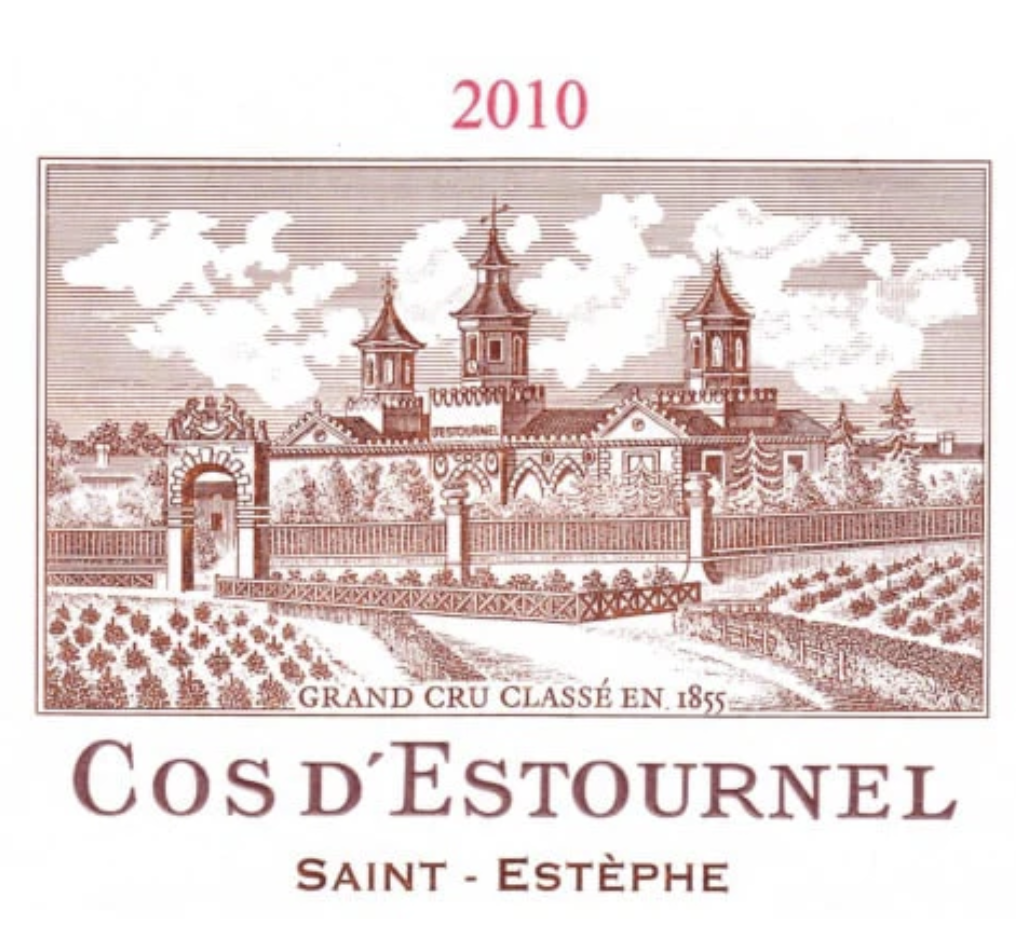
2010 Chateau Cos d'Estournel 375ml
The 2010 Château Cos d’Estournel 375ml is a half-bottle format of one of the most monumental wines ever produced by this legendary Saint-Estèphe estate. Château Cos d’Estournel was founded in 1811 by Louis-Gaspard d’Estournel, whose fascination with the Orient inspired the château’s iconic pagoda architecture and exotic branding. Classified as a Second Growth in the 1855 Bordeaux Classification, Cos d’Estournel has long been known for producing powerful, opulent wines that often rival First Growth quality.
- $179.99
- $130.00
2010 Chateau Cos d'Estournel 375ml
The 2010 Château Cos d’Estournel 375ml is a half-bottle format of one of the most monumental wines ever produced by this legendary Saint-Estèphe estate. Château Cos d’Estournel was founded in 1811 by Louis-Gaspard d’Estournel, whose fascination with the Orient inspired the château’s iconic pagoda architecture and exotic branding. Classified as a Second Growth in the 1855 Bordeaux Classification, Cos d’Estournel has long been known for producing powerful, opulent wines that often rival First Growth quality.
$179.99
- 375 ML
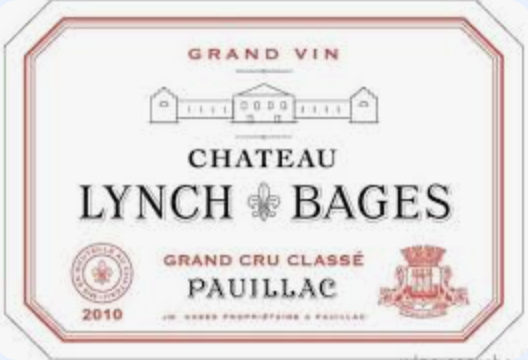
2010 Chateau Lynch-Bages 375ml
The 2010 Château Lynch-Bages 375ml is a miniature format of one of the greatest modern vintages produced by this legendary Pauillac estate. Château Lynch-Bages traces its roots to the 18th century, but its modern rise began under the Cazes family after 1939, transforming the Fifth Growth property into one of Bordeaux’s most respected “Super Fifths.” Known for bold Cabernet Sauvignon-driven wines with Pauillac power, structure, and consistency, Lynch-Bages became especially revered in the late 20th and early 21st centuries for combining traditional Left Bank character with increasingly refined winemaking precision.
- $139.99
- $95.00
2010 Chateau Lynch-Bages 375ml
The 2010 Château Lynch-Bages 375ml is a miniature format of one of the greatest modern vintages produced by this legendary Pauillac estate. Château Lynch-Bages traces its roots to the 18th century, but its modern rise began under the Cazes family after 1939, transforming the Fifth Growth property into one of Bordeaux’s most respected “Super Fifths.” Known for bold Cabernet Sauvignon-driven wines with Pauillac power, structure, and consistency, Lynch-Bages became especially revered in the late 20th and early 21st centuries for combining traditional Left Bank character with increasingly refined winemaking precision.
$139.99
- 375 ML
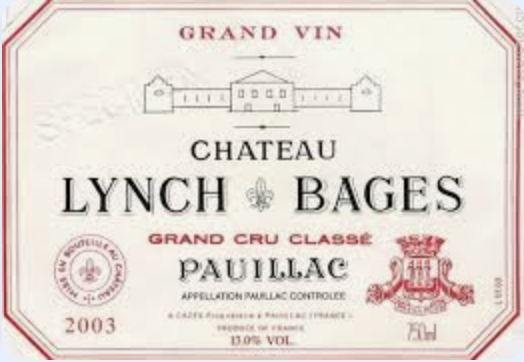
2003 Chateau Lynch-Bages
The 2003 Château Lynch-Bages is one of the most powerful and distinctive wines from a historic Pauillac estate that has consistently outperformed its Fifth Growth classification. Originally part of the Lynch family holdings in the 18th century and revitalized under the Cazes family since 1939, Lynch-Bages has built a global reputation for producing bold, age-worthy Cabernet-driven Bordeaux with remarkable consistency. By the early 2000s, Jean-Michel Cazes had firmly positioned the estate as one of Bordeaux’s premier “overachievers,” blending traditional Pauillac character with modern polish. The estate’s gravel-rich vineyards on the Bages plateau contribute to its signature structure, concentration, and longevity. The 2003 Bordeaux vintage was defined by one of Europe’s most extreme heatwaves, resulting in unusually ripe, opulent wines. While some estates struggled with overripeness, Lynch-Bages excelled due to meticulous vineyard management and terroir resilience. The blend was approximately 72% Cabernet Sauvignon, 16% Merlot, 9% Cabernet Franc, and 3% Petit Verdot.
- $225.00
- $145.00
2003 Chateau Lynch-Bages
The 2003 Château Lynch-Bages is one of the most powerful and distinctive wines from a historic Pauillac estate that has consistently outperformed its Fifth Growth classification. Originally part of the Lynch family holdings in the 18th century and revitalized under the Cazes family since 1939, Lynch-Bages has built a global reputation for producing bold, age-worthy Cabernet-driven Bordeaux with remarkable consistency. By the early 2000s, Jean-Michel Cazes had firmly positioned the estate as one of Bordeaux’s premier “overachievers,” blending traditional Pauillac character with modern polish. The estate’s gravel-rich vineyards on the Bages plateau contribute to its signature structure, concentration, and longevity. The 2003 Bordeaux vintage was defined by one of Europe’s most extreme heatwaves, resulting in unusually ripe, opulent wines. While some estates struggled with overripeness, Lynch-Bages excelled due to meticulous vineyard management and terroir resilience. The blend was approximately 72% Cabernet Sauvignon, 16% Merlot, 9% Cabernet Franc, and 3% Petit Verdot.
$225.00
- 750 ML
2004 Chateau Gloria
The 2004 Château Gloria is one of the standout value wines from Saint-Julien, produced by an estate with an unusually modern but highly respected history. Unlike many classified Bordeaux Châteaux, Gloria was assembled piece by piece beginning in 1942 by Henri Martin, who acquired prime vineyard parcels from several Grand Cru Classé estates throughout Saint-Julien. By 2004, under the Martin family’s stewardship, Château Gloria had firmly established itself as one of Bordeaux’s greatest insider buys—delivering traditional Left Bank structure with notable accessibility. The 2004 vintage in Bordeaux favored disciplined estates, and Gloria performed exceptionally well thanks to Saint-Julien’s ideal gravel terroir and careful vineyard management.
- $109.99
- $55.00
2004 Chateau Gloria
The 2004 Château Gloria is one of the standout value wines from Saint-Julien, produced by an estate with an unusually modern but highly respected history. Unlike many classified Bordeaux Châteaux, Gloria was assembled piece by piece beginning in 1942 by Henri Martin, who acquired prime vineyard parcels from several Grand Cru Classé estates throughout Saint-Julien. By 2004, under the Martin family’s stewardship, Château Gloria had firmly established itself as one of Bordeaux’s greatest insider buys—delivering traditional Left Bank structure with notable accessibility. The 2004 vintage in Bordeaux favored disciplined estates, and Gloria performed exceptionally well thanks to Saint-Julien’s ideal gravel terroir and careful vineyard management.
$109.99
- 750 ML
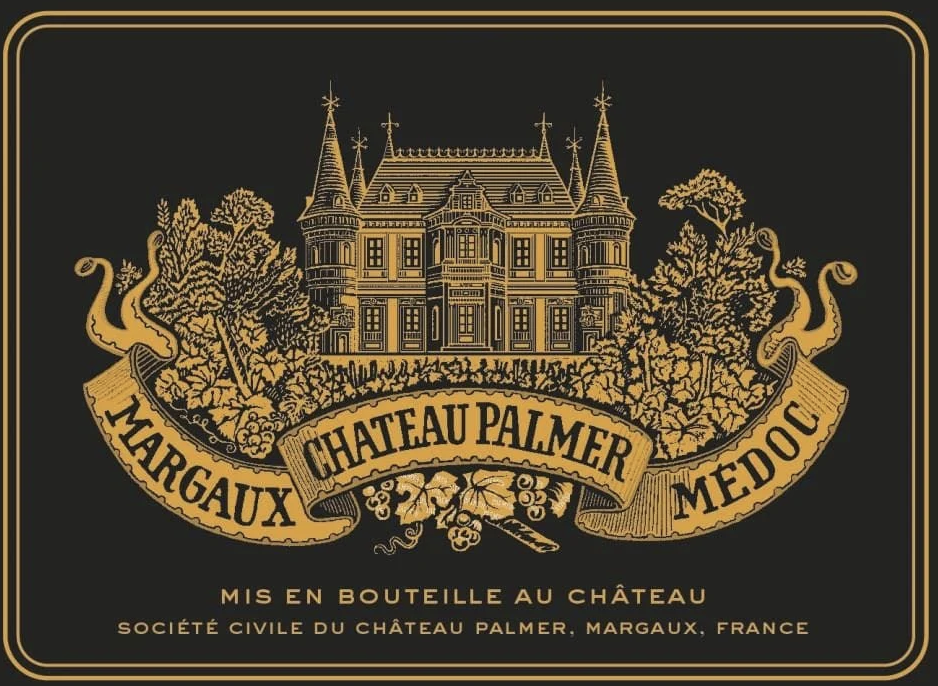
2019 Chateau Palmer
The 2019 Château Palmer is one of the standout wines of modern Bordeaux and a benchmark Margaux, combining the estate’s signature sensuality with extraordinary precision and power. The blend—dominated by Cabernet Sauvignon, Merlot, and Petit Verdot—delivers an intensely aromatic profile of black cherry, cassis, violets, rose petals, graphite, sweet tobacco, and exotic spice. Critics consistently scored it at the top of the vintage, with Robert Parker awarding 96+ points, Jeb Dunnuck 97, James Suckling 99, and Falstaff 98, cementing it as one of the elite wines of the exceptional 2019 Bordeaux harvest. Stylistically, 2019 Palmer is richer and more classical than the flamboyant 2018, with immense concentration balanced by freshness and remarkable finesse. The biodynamic farming at Palmer continues to enhance purity and terroir expression, giving the wine velvety tannins, layered dark fruit, floral complexity, and a saline mineral edge that should evolve beautifully for decades. Most collectors should target a drinking window from roughly 2029–2055+, though patient buyers may be rewarded even further.
- $309.99
- $202.99
2019 Chateau Palmer
The 2019 Château Palmer is one of the standout wines of modern Bordeaux and a benchmark Margaux, combining the estate’s signature sensuality with extraordinary precision and power. The blend—dominated by Cabernet Sauvignon, Merlot, and Petit Verdot—delivers an intensely aromatic profile of black cherry, cassis, violets, rose petals, graphite, sweet tobacco, and exotic spice. Critics consistently scored it at the top of the vintage, with Robert Parker awarding 96+ points, Jeb Dunnuck 97, James Suckling 99, and Falstaff 98, cementing it as one of the elite wines of the exceptional 2019 Bordeaux harvest. Stylistically, 2019 Palmer is richer and more classical than the flamboyant 2018, with immense concentration balanced by freshness and remarkable finesse. The biodynamic farming at Palmer continues to enhance purity and terroir expression, giving the wine velvety tannins, layered dark fruit, floral complexity, and a saline mineral edge that should evolve beautifully for decades. Most collectors should target a drinking window from roughly 2029–2055+, though patient buyers may be rewarded even further.
$309.99
- 750 ML
1986 Chateau Beychevelle
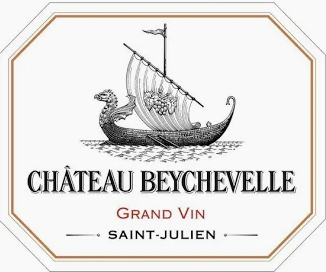
The 1986 Château Beychevelle is a classic expression of a Fourth Growth estate in Saint-Julien, a commune celebrated for producing wines that combine finesse, structure, and longevity. Château Beychevelle’s history stretches back to the 17th century, and its iconic “flagship” façade and nautical-themed estate reflect its long-standing association with the French nobility and maritime trade. By 1986, the estate was under the stewardship of the Saint-Guiral family, who maintained its reputation for elegance, harmoniously blending Cabernet Sauvignon, Merlot, Cabernet Franc, and Petit Verdot to produce wines of both power and refinement. The 1986 vintage in Saint-Julien was marked by a warm growing season with steady ripening, producing grapes with excellent concentration and balance. In the glass, the wine shows a mature garnet-brown hue with a warm amber rim, indicative of its age. Aromatics reveal cassis, black cherry, and plum, layered with tobacco, cedar, leather, and subtle earthy nuances. On the palate, Beychevelle’s hallmark harmony shines: refined tannins, balanced acidity, and a persistent mineral-driven finish, all of which reflect the estate’s classical Saint-Julien style. This wine has developed tertiary complexity—forest floor, dried herbs, and cigar box notes—that enhance both its intrigue and approachability.
- $249.99
- $95.41
1986 Chateau Beychevelle
The 1986 Château Beychevelle is a classic expression of a Fourth Growth estate in Saint-Julien, a commune celebrated for producing wines that combine finesse, structure, and longevity. Château Beychevelle’s history stretches back to the 17th century, and its iconic “flagship” façade and nautical-themed estate reflect its long-standing association with the French nobility and maritime trade. By 1986, the estate was under the stewardship of the Saint-Guiral family, who maintained its reputation for elegance, harmoniously blending Cabernet Sauvignon, Merlot, Cabernet Franc, and Petit Verdot to produce wines of both power and refinement. The 1986 vintage in Saint-Julien was marked by a warm growing season with steady ripening, producing grapes with excellent concentration and balance. In the glass, the wine shows a mature garnet-brown hue with a warm amber rim, indicative of its age. Aromatics reveal cassis, black cherry, and plum, layered with tobacco, cedar, leather, and subtle earthy nuances. On the palate, Beychevelle’s hallmark harmony shines: refined tannins, balanced acidity, and a persistent mineral-driven finish, all of which reflect the estate’s classical Saint-Julien style. This wine has developed tertiary complexity—forest floor, dried herbs, and cigar box notes—that enhance both its intrigue and approachability.
$249.99
- 750 ML
2000 Chateau Lynch-Moussas
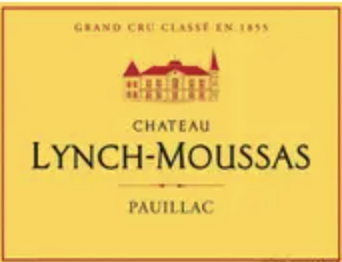
The 2000 Château Lynch-Moussas is a superb example of a Fifth Growth Bordeaux that balances power, finesse, and aging potential. Located in the Pauillac appellation, Lynch-Moussas has been in the hands of the Cazes family since 1919, a family also famed for managing Château Haut-Bages-Liberal. The estate’s history is deeply rooted in the classic Médoc tradition: clay-gravel soils atop a subsoil of limestone and sand, perfect for producing Cabernet Sauvignon-driven wines with structure, elegance, and longevity. The 2000 vintage was marked by a warm, dry growing season, allowing grapes to reach full physiological ripeness while maintaining freshness. Château Lynch-Moussas sourced primarily Cabernet Sauvignon, complemented by Merlot and small amounts of Cabernet Franc and Petit Verdot, producing a wine with a deep, ruby-garnet color. On the nose, expect cassis, blackcurrant, cedar, and subtle graphite, with hints of tobacco and cigar box emerging with aeration. The palate shows the classic Pauillac profile: structured yet silky tannins, firm acidity, and a mineral backbone that gives the wine its hallmark balance. While approachable now with careful decanting, this wine has the pedigree to evolve gracefully for another 10–15 years, revealing layers of complexity and secondary aromas.
- $119.99
- $81.00
2000 Chateau Lynch-Moussas
The 2000 Château Lynch-Moussas is a superb example of a Fifth Growth Bordeaux that balances power, finesse, and aging potential. Located in the Pauillac appellation, Lynch-Moussas has been in the hands of the Cazes family since 1919, a family also famed for managing Château Haut-Bages-Liberal. The estate’s history is deeply rooted in the classic Médoc tradition: clay-gravel soils atop a subsoil of limestone and sand, perfect for producing Cabernet Sauvignon-driven wines with structure, elegance, and longevity. The 2000 vintage was marked by a warm, dry growing season, allowing grapes to reach full physiological ripeness while maintaining freshness. Château Lynch-Moussas sourced primarily Cabernet Sauvignon, complemented by Merlot and small amounts of Cabernet Franc and Petit Verdot, producing a wine with a deep, ruby-garnet color. On the nose, expect cassis, blackcurrant, cedar, and subtle graphite, with hints of tobacco and cigar box emerging with aeration. The palate shows the classic Pauillac profile: structured yet silky tannins, firm acidity, and a mineral backbone that gives the wine its hallmark balance. While approachable now with careful decanting, this wine has the pedigree to evolve gracefully for another 10–15 years, revealing layers of complexity and secondary aromas.
$119.99
- 750 ML