
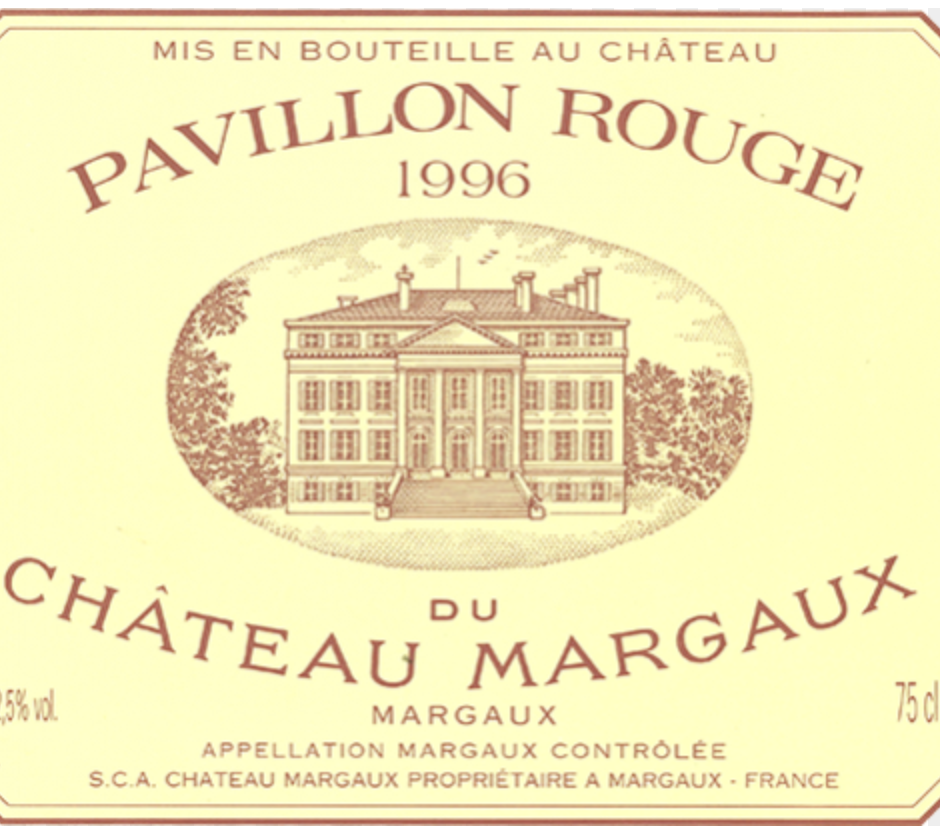
1996 Chateau Margaux Pavillon Rouge
The 1996 Pavillon Rouge du Château Margaux is widely considered one of the greatest early vintages of Château Margaux's second wine and, by the estate's own assessment, may be superior to the excellent 1995. In 1996, Château Margaux made an exceptionally strict selection for the Grand Vin, diverting a larger proportion of high-quality fruit into Pavillon Rouge than ever before.
- $299.99
- $145.00
1996 Chateau Margaux Pavillon Rouge
The 1996 Pavillon Rouge du Château Margaux is widely considered one of the greatest early vintages of Château Margaux's second wine and, by the estate's own assessment, may be superior to the excellent 1995. In 1996, Château Margaux made an exceptionally strict selection for the Grand Vin, diverting a larger proportion of high-quality fruit into Pavillon Rouge than ever before.
$299.99
- 750 ML
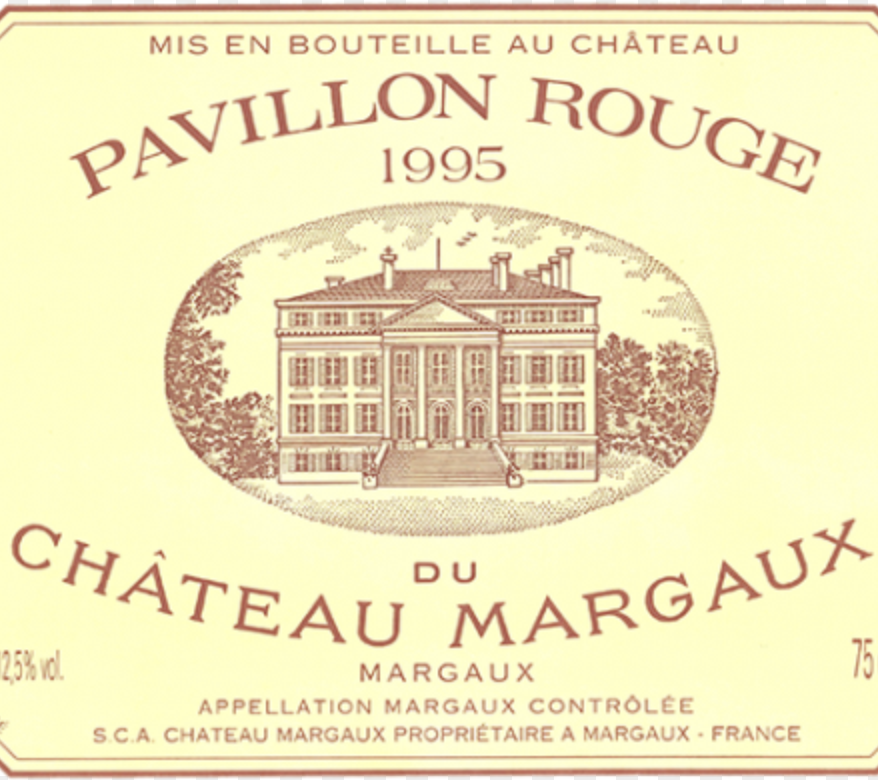
1995 Chateau Margaux Pavillon Rouge
The 1995 Pavillon Rouge du Château Margaux is one of the most successful early modern vintages of Château Margaux's legendary second wine. Produced during the outstanding 1995 Bordeaux vintage, it benefited from increasingly rigorous fruit selection at the estate, resulting in a wine that many critics felt approached first-growth quality in its youth. Château Margaux itself noted that the exceptional vintage quality was fully expressed in Pavillon Rouge, with concentration, elegance, and length rarely seen in a second wine. In the glass today, a well-stored bottle should show mature Bordeaux character: cassis, dried black cherry, cedar, cigar box, leather, forest floor, violets, and subtle truffle notes. The palate is typically silky and refined rather than powerful, with softened tannins and the unmistakable perfume that defines Margaux. Early reviews praised its deep color, velvety texture, blackberry fruit, spice, licorice, and floral finish, calling it unusually strong for Pavillon Rouge.
- $279.99
- $175.00
1995 Chateau Margaux Pavillon Rouge
The 1995 Pavillon Rouge du Château Margaux is one of the most successful early modern vintages of Château Margaux's legendary second wine. Produced during the outstanding 1995 Bordeaux vintage, it benefited from increasingly rigorous fruit selection at the estate, resulting in a wine that many critics felt approached first-growth quality in its youth. Château Margaux itself noted that the exceptional vintage quality was fully expressed in Pavillon Rouge, with concentration, elegance, and length rarely seen in a second wine. In the glass today, a well-stored bottle should show mature Bordeaux character: cassis, dried black cherry, cedar, cigar box, leather, forest floor, violets, and subtle truffle notes. The palate is typically silky and refined rather than powerful, with softened tannins and the unmistakable perfume that defines Margaux. Early reviews praised its deep color, velvety texture, blackberry fruit, spice, licorice, and floral finish, calling it unusually strong for Pavillon Rouge.
$279.99
- 750 ML
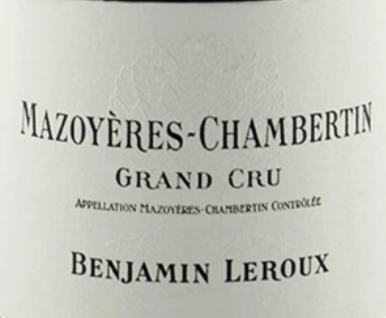
2016 Benjamin Leroux Mazoyeres-Chambertin Grand Cru
The 2016 Benjamin Leroux Mazoyères-Chambertin Grand Cru is one of the finest wines in Leroux’s already celebrated 2016 Burgundy lineup and a superb example of how he balances precision, elegance, and Grand Cru depth. Sourced from the Mazoyères-Chambertin vineyard in Gevrey-Chambertin, the wine was completely destemmed in 2016, allowing for remarkable purity and transparency of terroir. Neal Martin awarded it 95–97 points, describing an “outstanding bouquet” of blackberry, raspberry, cold stone, and damp undergrowth with exceptional complexity and detail. Stylistically, this is a more refined and lifted interpretation of Mazoyères compared to denser, more heavily extracted producers like Dugat-Py. Leroux emphasizes finesse and mineral tension over sheer power. The palate is silky yet concentrated, with layers of black cherry, wild raspberry, forest floor, crushed rock, spice, and subtle savory earthiness. Fine-grained tannins and vibrant acidity give the wine tremendous balance and aging structure without overwhelming the fruit. Critics repeatedly noted how unusually elegant and approachable the wine was for such a serious Grand Cru site.
- $399.99
- $275.00
2016 Benjamin Leroux Mazoyeres-Chambertin Grand Cru
The 2016 Benjamin Leroux Mazoyères-Chambertin Grand Cru is one of the finest wines in Leroux’s already celebrated 2016 Burgundy lineup and a superb example of how he balances precision, elegance, and Grand Cru depth. Sourced from the Mazoyères-Chambertin vineyard in Gevrey-Chambertin, the wine was completely destemmed in 2016, allowing for remarkable purity and transparency of terroir. Neal Martin awarded it 95–97 points, describing an “outstanding bouquet” of blackberry, raspberry, cold stone, and damp undergrowth with exceptional complexity and detail. Stylistically, this is a more refined and lifted interpretation of Mazoyères compared to denser, more heavily extracted producers like Dugat-Py. Leroux emphasizes finesse and mineral tension over sheer power. The palate is silky yet concentrated, with layers of black cherry, wild raspberry, forest floor, crushed rock, spice, and subtle savory earthiness. Fine-grained tannins and vibrant acidity give the wine tremendous balance and aging structure without overwhelming the fruit. Critics repeatedly noted how unusually elegant and approachable the wine was for such a serious Grand Cru site.
$399.99
- 750 ML
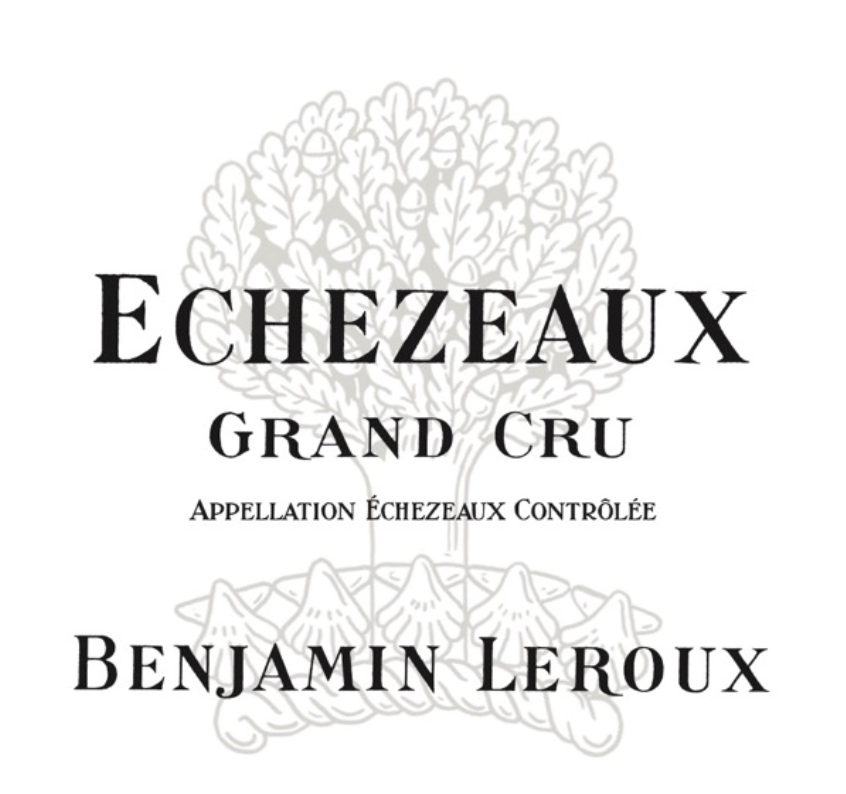
2015 Benjamin Leroux Echezeaux Grand Cru
The 2015 Benjamin Leroux Échezeaux Grand Cru is a beautifully refined and sensual expression of Grand Cru Burgundy from one of the Côte de Nuits’ most respected modern négociants. Benjamin Leroux, former winemaker at Comte Armand, has become one of Burgundy’s elite producers by combining meticulous vineyard sourcing with a restrained, terroir-driven style that emphasizes purity over excess. His 2015 Échezeaux comes primarily from the lieu-dit Vignes Blanches and was crafted with roughly one-third whole-cluster fermentation and about 50% new French oak, resulting in a wine that balances richness with aromatic lift and finesse. The wine is intensely aromatic, offering layers of raspberry coulis, wild strawberry, red currant, rose petal, spice, black pepper, and subtle earth tones. Critics consistently praised its elegance and texture, with Neal Martin giving it 93–95 points, calling it “very fine and very classy,” while Vinous highlighted its “terrific finesse” and perfumed finish. Burghound also noted its concentration and refined tannic structure, emphasizing that despite the ripe 2015 vintage, the wine maintained freshness and precision.
- $399.99
- $275.00
2015 Benjamin Leroux Echezeaux Grand Cru
The 2015 Benjamin Leroux Échezeaux Grand Cru is a beautifully refined and sensual expression of Grand Cru Burgundy from one of the Côte de Nuits’ most respected modern négociants. Benjamin Leroux, former winemaker at Comte Armand, has become one of Burgundy’s elite producers by combining meticulous vineyard sourcing with a restrained, terroir-driven style that emphasizes purity over excess. His 2015 Échezeaux comes primarily from the lieu-dit Vignes Blanches and was crafted with roughly one-third whole-cluster fermentation and about 50% new French oak, resulting in a wine that balances richness with aromatic lift and finesse. The wine is intensely aromatic, offering layers of raspberry coulis, wild strawberry, red currant, rose petal, spice, black pepper, and subtle earth tones. Critics consistently praised its elegance and texture, with Neal Martin giving it 93–95 points, calling it “very fine and very classy,” while Vinous highlighted its “terrific finesse” and perfumed finish. Burghound also noted its concentration and refined tannic structure, emphasizing that despite the ripe 2015 vintage, the wine maintained freshness and precision.
$399.99
- 750 ML
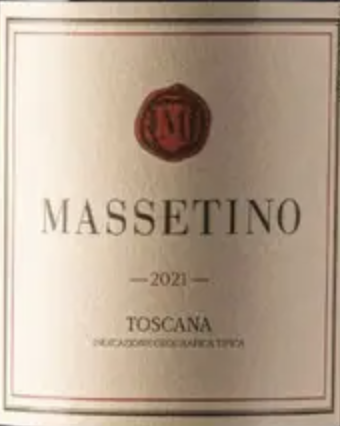
2021 Massetino Toscana Rosso
The 2021 Massetino Toscana Rosso is one of the most important “second wines” in modern Italian fine wine, coming from the same estate behind the legendary Masseto. Produced by Tenuta dell’Ornellaia (Masseto project), Massetino is essentially the estate’s more approachable—but still ultra-premium—expression of Bolgheri Merlot, with a touch of Cabernet Franc adding structure and aromatic lift.
- $349.99
- $250.00
2021 Massetino Toscana Rosso
The 2021 Massetino Toscana Rosso is one of the most important “second wines” in modern Italian fine wine, coming from the same estate behind the legendary Masseto. Produced by Tenuta dell’Ornellaia (Masseto project), Massetino is essentially the estate’s more approachable—but still ultra-premium—expression of Bolgheri Merlot, with a touch of Cabernet Franc adding structure and aromatic lift.
$349.99
- 750 ML
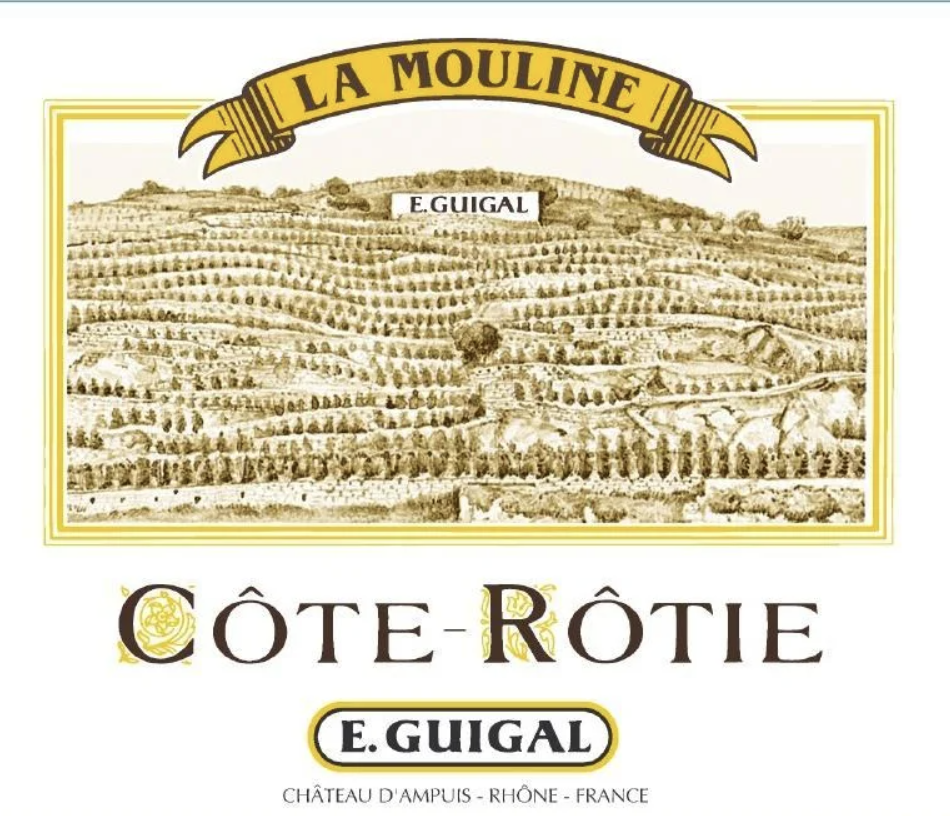
1997 Guigal Cote-Rotie La Mouline
The 1997 E. Guigal Côte-Rôtie “La Mouline” is one of the most refined and aromatic expressions from the Northern Rhône and a key member of Guigal’s iconic “La La” trilogy alongside La Turque and La Landonne. What distinguishes La Mouline is its higher proportion of Viognier co-fermented with Syrah—typically around 11–14% depending on vintage—giving the wine its signature aromatic lift and almost Burgundian perfume. This stylistic choice makes La Mouline the most sensual and immediately expressive of the “La La” trio, while still maintaining the structure and depth expected from top Côte-Rôtie.
- $599.99
- $393.33
1997 Guigal Cote-Rotie La Mouline
The 1997 E. Guigal Côte-Rôtie “La Mouline” is one of the most refined and aromatic expressions from the Northern Rhône and a key member of Guigal’s iconic “La La” trilogy alongside La Turque and La Landonne. What distinguishes La Mouline is its higher proportion of Viognier co-fermented with Syrah—typically around 11–14% depending on vintage—giving the wine its signature aromatic lift and almost Burgundian perfume. This stylistic choice makes La Mouline the most sensual and immediately expressive of the “La La” trio, while still maintaining the structure and depth expected from top Côte-Rôtie.
$599.99
- 750 ML
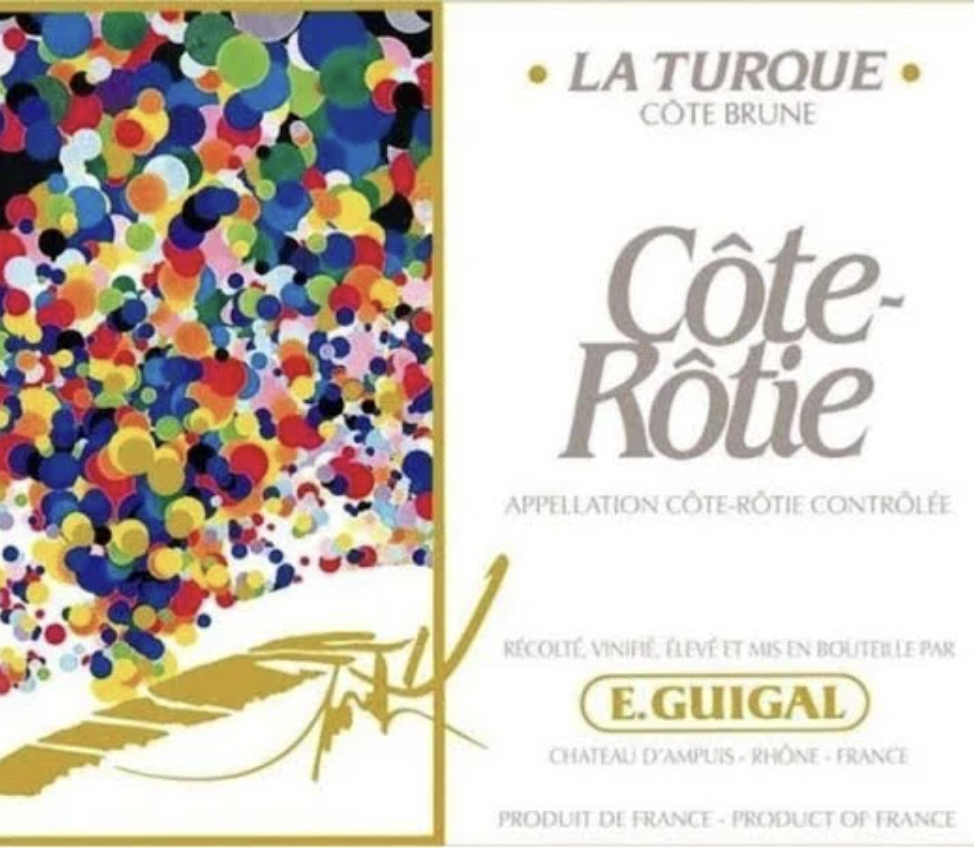
1997 Guigal Cote-Rotie La Turque
The 1997 E. Guigal Côte-Rôtie “La Turque” is one of the defining wines from the northern Rhône’s most famous modern producer and part of Guigal’s legendary “La La” trio (La Landonne, La Mouline, La Turque). Produced by the family-owned house E. Guigal, La Turque comes from a steep, sun-exposed parcel in the Côte Brune section of Côte-Rôtie, known for its dark, iron-rich schist soils that yield Syrah of immense depth and structure.
- $599.99
- $425.00
1997 Guigal Cote-Rotie La Turque
The 1997 E. Guigal Côte-Rôtie “La Turque” is one of the defining wines from the northern Rhône’s most famous modern producer and part of Guigal’s legendary “La La” trio (La Landonne, La Mouline, La Turque). Produced by the family-owned house E. Guigal, La Turque comes from a steep, sun-exposed parcel in the Côte Brune section of Côte-Rôtie, known for its dark, iron-rich schist soils that yield Syrah of immense depth and structure.
$599.99
- 750 ML
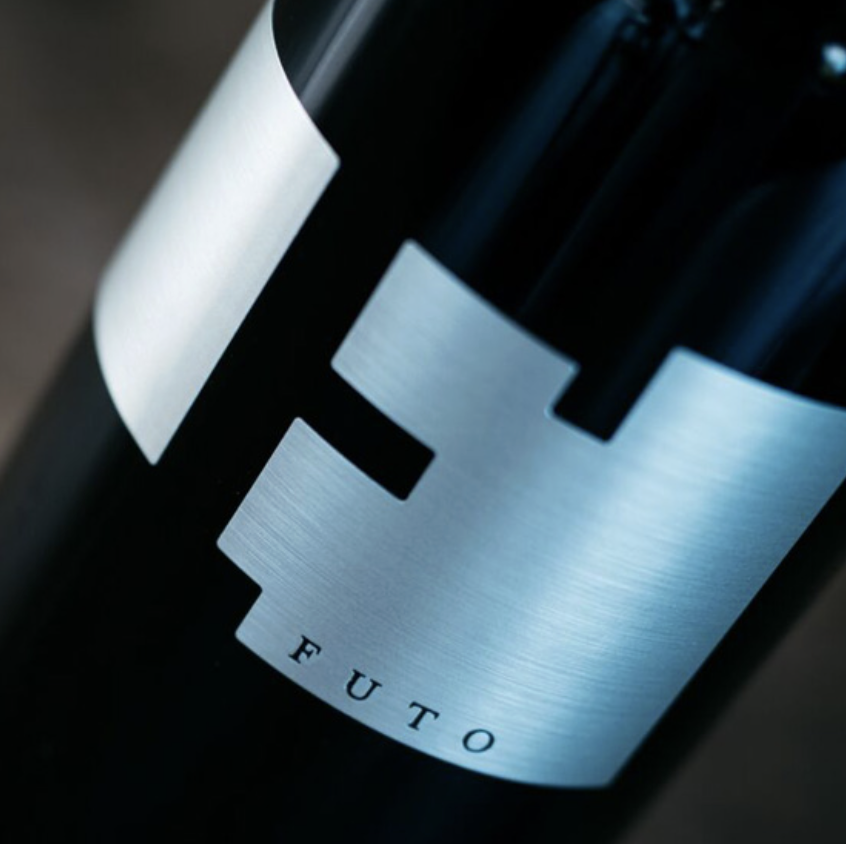
2008 Futo Estate Oakville Cabernet Sauvignon
The 2008 FUTO Estate Oakville Cabernet Sauvignon is one of the foundational wines that helped establish FUTO as a serious force in Napa Valley’s cult Cabernet landscape. Founded by Tom and Nancy Futo in the early 2000s on the western hillsides of Oakville, the estate sits beside some of Napa’s most legendary neighbors, including Harlan Estate and Bond. The property was originally known as Oakford Vineyards before the Futos transformed it into a highly meticulous, low-production estate focused on hillside Bordeaux varietals.
- $349.99
- $250.00
2008 Futo Estate Oakville Cabernet Sauvignon
The 2008 FUTO Estate Oakville Cabernet Sauvignon is one of the foundational wines that helped establish FUTO as a serious force in Napa Valley’s cult Cabernet landscape. Founded by Tom and Nancy Futo in the early 2000s on the western hillsides of Oakville, the estate sits beside some of Napa’s most legendary neighbors, including Harlan Estate and Bond. The property was originally known as Oakford Vineyards before the Futos transformed it into a highly meticulous, low-production estate focused on hillside Bordeaux varietals.
$349.99
- 750 ML
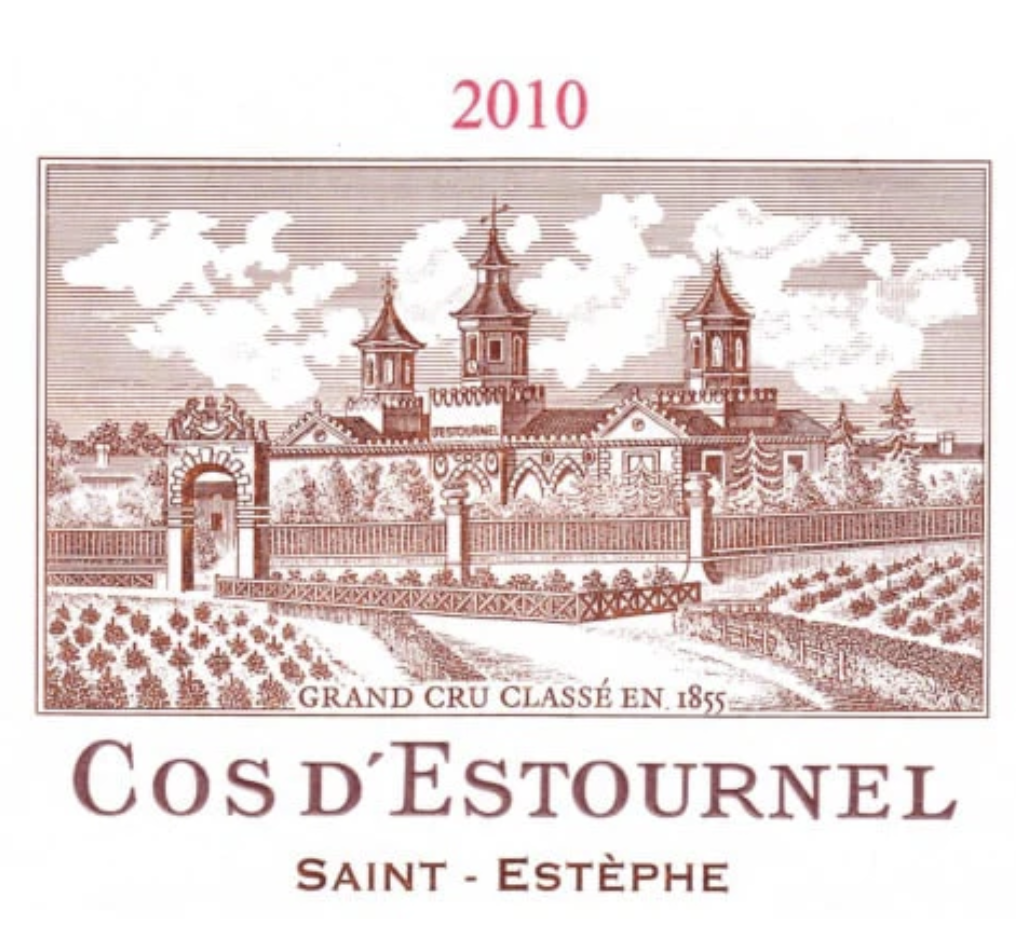
2010 Chateau Cos d'Estournel 375ml
The 2010 Château Cos d’Estournel 375ml is a half-bottle format of one of the most monumental wines ever produced by this legendary Saint-Estèphe estate. Château Cos d’Estournel was founded in 1811 by Louis-Gaspard d’Estournel, whose fascination with the Orient inspired the château’s iconic pagoda architecture and exotic branding. Classified as a Second Growth in the 1855 Bordeaux Classification, Cos d’Estournel has long been known for producing powerful, opulent wines that often rival First Growth quality.
- $179.99
- $130.00
2010 Chateau Cos d'Estournel 375ml
The 2010 Château Cos d’Estournel 375ml is a half-bottle format of one of the most monumental wines ever produced by this legendary Saint-Estèphe estate. Château Cos d’Estournel was founded in 1811 by Louis-Gaspard d’Estournel, whose fascination with the Orient inspired the château’s iconic pagoda architecture and exotic branding. Classified as a Second Growth in the 1855 Bordeaux Classification, Cos d’Estournel has long been known for producing powerful, opulent wines that often rival First Growth quality.
$179.99
- 375 ML